Saturday, July 12, 2014

A Boy Named Charlie Brown


U.S. THEATRICAL RELEASE:  12/4/1969
Director:  Bill Melendez

From seven newspapers to thousands of movie screens.  In just under twenty years, Peanuts had become a full-fledged cultural phenomenon.   While the gang were little kids firmly entrenched in middle-class America, all ages and social classes found themselves drawn to the adventures of the pathetic zig-zag kid and his motley crew.  No one was too terribly surprised, then, when news broke that plans were in the works to bring Peanuts to the big screen.

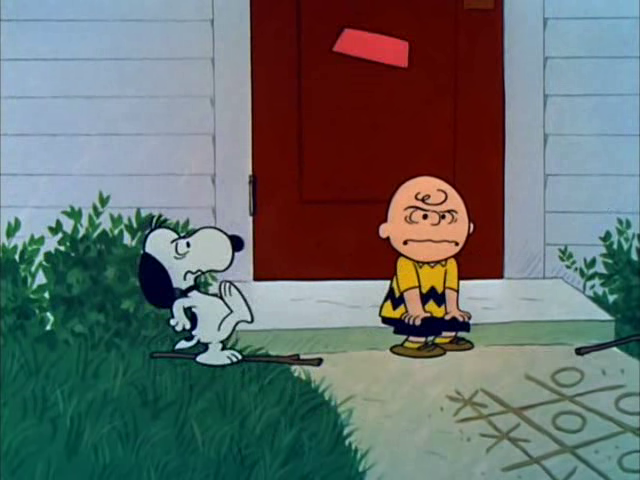
STORY:  Re-introducing, for your empathy:  a jobber named Charlie Brown.  Plain as the Libyan flag.  Can't fly a kite, can't win at tic-tac-toe, can't snatch a victory on the baseball field, can't keep a toy boat from capsizing in a bathtub as he tries to scrub the accumulated grime of failure from his frame.  This young boy is taking his bumps surely and poorly; his fallen face and sloping posture are all the proof anyone needs if they are still unconvinced that major depression can affect children.  Perhaps it's time for Charlie Brown to speak with his parents about his feelings of hopelessness.

Oh.

A trip to the psychiatrists office proves useless plus, mainly due to the fact that said doctor is a peer with serious prefrontal cortex damage.  All Charlie Brown can do is take well-meant advice from his best friend and hope tomorrow proves to be a better day.

Charlie Brown's chin is still dragging along the pavement, and Linus is still offering measured encouragement the next morning when his officious-ass sister Lucy--buoyed by her reinforcements--runs up to them and laughingly suggests that the poor boy attempt to kick his bad luck and boost his spirits by volunteering for the class spelling bee to be held that day.  Surprisingly he does and shockingly he wins.  The next day, he competes against the rest of the school--and wins again!  After being carried home like a champion, Charlie Brown is content to luxuriate in his newfound fame and glory.  The ever-avaricious Miss Van Pelt is near-crazed with visions, however, going so far as to name herself his new agent, but Charlie hardly understands the fuss; he's already won the school spelling bee.  What more is there to accomplish?  He soon discovers the more:  his humble local victory has qualified him for the National Spelling Bee at Radio City Musical Hall in New York City.

All of Charlie Brown's old doubts and self-recriminations hurry on back to curl around every curve of his brain.  Him?  National Spelling Bee?  Not even the presence of a rapturous entire student body can ease the dread which hangs over him ("I feel like I'm being drafted," he moans, in typical super-melodramatic fashion).  Once in the big city, Chuck takes full advantage of the chaperone-free environment and begins poring over the approximately one hundred books he brought along, determined to learn the correct spelling of every word in the English language.

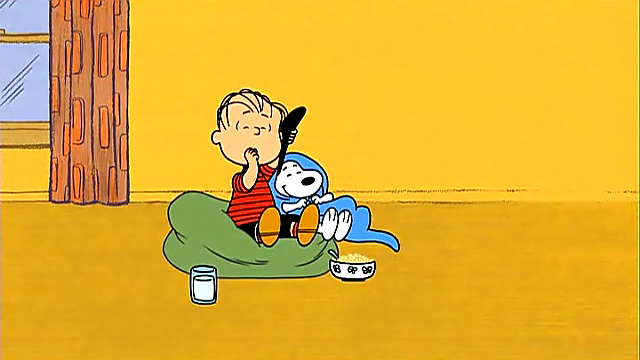
Back in the ol' neighborhood, Linus is struggling.  Before Charlie Brown boarded the bus, Linus handed over his beloved security blanket as a sort of good luck charm.  At the time, a noble gesture; by now, a catastrophic misstep.  Only a day or so parted from the comforting cloth, Linus is falling apart--a woozy, wobbling wreck at the best of times; unconscious at the worst of times.  Realizing the error of his ways, Linus approaches his parents and...I mean, he recruits Snoopy to be his bus-buddy and off they go to NYC.  'Cause the boy and blanket reunion is only a Greyhound away.

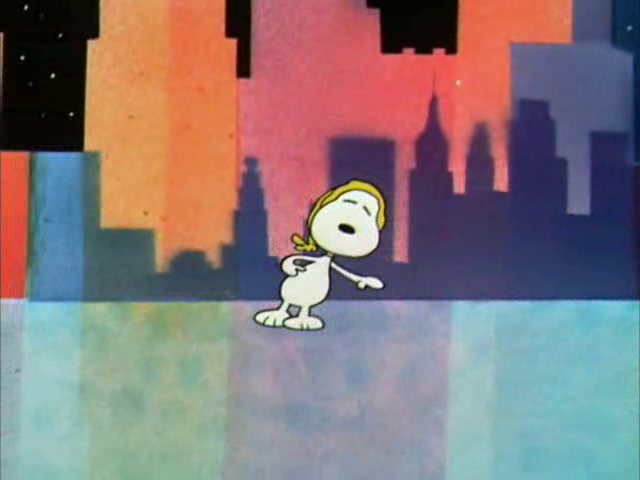
Or not.  Boy and beagle are overjoyed to see one another again, I mean Snoopy's tail is pounding through the carpet practically, but the blanket?  Oh, um, it seems that in all the excitement Charlie Brown has misplaced Linus's blanket.  Possibly somewhere in the Public Library.  Armed with this information, and desperate to don the cotton crown yet again, Linus takes Snoopy along on a late-night hunt.  While Linus peers through the windows, Snoopy visits the nearby ice rink at Rockefeller Center for some skating and fantasy hockey.  Snoopy loses some teeth; Linus finds nothing. 

Defeated, Linus and Snoopy return to the hotel.  It's the morning of the competition, and Charlie Brown is getting ready.  He's hardly had any sleep, but he still looks pretty sharp in his dress shirt, tie, and dress shoes, the last of which he takes great care to shine with Linus's blanket.

Once Linus is reunited with his true love, sky is the limit!  Off to Radio City!  Tis time to spell!

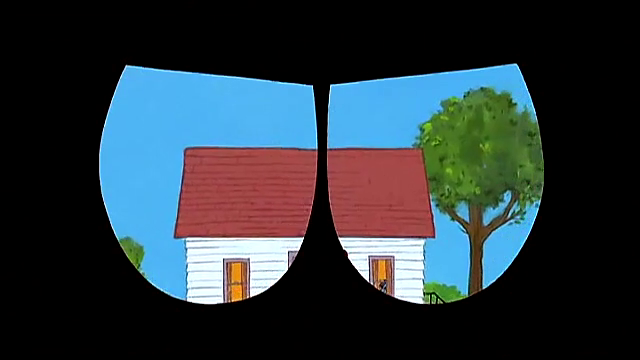
The competition is pretty fierce:  a girl who's either Asian or just ill; Schroeder's twin; Peppermint Patty with pigtails; Poindexter Franklin; and soulless ginger bastard Schroeder.  The set-up, as seen on the television that all the kids back home are gathered around, is pretty ingenious.  Each child is represented by only their head, which pops off the screen once they inevitably misspell a word.  Pop pop pop, until it's just Charlie Brown versus Schroeder's twin in a clash for the underages.  The drama is high; the tension is palpable.  This could go on for quite some time, especially if they're asked to spell words like "beagle."  Oh look, Charlie Brown's been asked to spell "beagle."

"Beagle.  B-E-A-G-E-L.  Beagle."

Once back home, Chuck refuses to step outside of his bedroom, except to visit the bathroom.  Presumably.  Hopefully.  It's up to steadfast pal Linus to stop by and recalibrate.  "But did you notice something, Charlie Brown?  The world didn't come to an end."

With that, the former champion gets dressed, steps outside, and sees for himself that life has indeed refused to stop just because he couldn't spell the breed of his own pet dog.  Spying his nemesis Lucy tossing a football up into the air, Charlie Brown suddenly believes in himself again.  Believes things are different now.  He won two local spelling bees, for the love of Scripps, what's stopping him now?

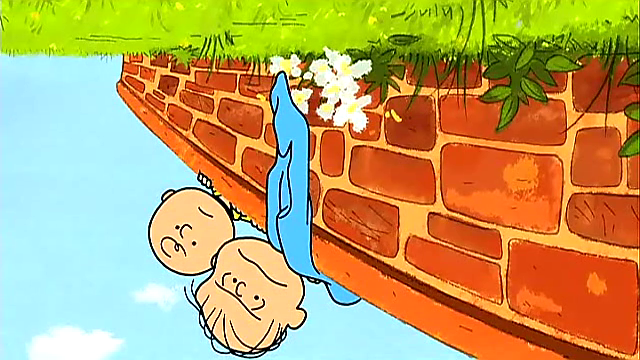
Life.  That's what.  And just like at the beginning of the movie, Charlie Brown is on his back, smarting from the acute pain of feeling real dumb. 

Conventional wisdom tells you "first=best," and in this case I just may agree.  I enjoy all four Peanuts films--and hope to enjoy the fifth--but the combination of humor and emotion that made the strip such a treasure is replicated strongest in A Boy Named Charlie Brown10

ANIMATIONStupendousSuperb.  A seven-course meal for the eyes.  Such variety in colors, such motion and emotion achieved within such limited dimensions.  With ABNCB, we are watching masters at work--and play.  Backgrounds are rendered in either watercolor, penstroke, fine lines--or sometimes all three simultaneously.  Whatever serves the scene.

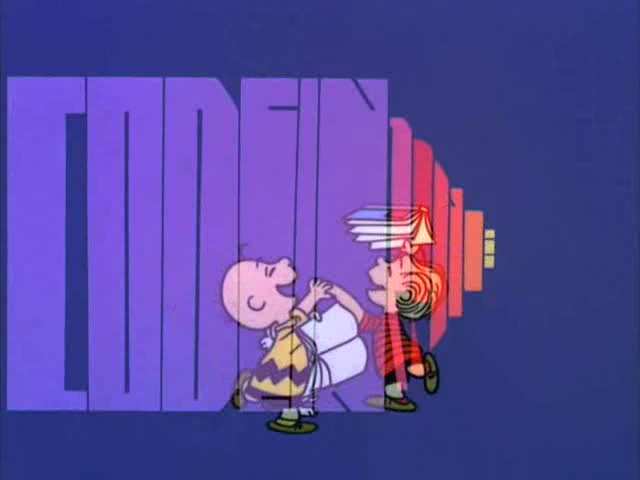
The ice hockey sequence remains such a raucous treat--Rosa Bonheur was Bill Melendez's only competition when it came to bringing an animal to such vivid life.  The religious imagery during Schroeder's Fantasia-esque showcase captivates the senses, hell, even the pop art ending credits deserve a standing O.  There isn't a dull minute to be seen.  10

MUSIC:  For the first time, Peanuts features songs with vocals as well as those predictably glorious instrumentals composed by Vince Guaraldi and arranged by John Scott Trotter.

"Champion Charlie Brown" is the touchstone for the whole film.  It's the first thing we hear, in sprightly, wordless form, and it reappears throughout in beguiling mutations.  The flip side of the coin is the title track, written and sung by famed composer/poet Rod McKuen.  It's a wonderfully melancholic tune, despite featuring lyrics that have been proven untrue in a court of law:  "Charlie has a way/Of pickin' up the day/Just by walkin' slowly in the room." 

McKuen also penned the hysterically mean-spirited "Failure Face."  Asked for his inspiration, he simply stated, "Kids are mean."  A man after Charles Schulz's own heart, certainly.

The return of "Baseball Theme" finds Dr. Funk beasting on those keys.  First heard in A Charlie Brown Christmas, "Skating" reappears with a full orchestra, while "Blue Puck" is some uptempo jazz that would've displeased Tiger Williams greatly (all the better to pummel ya with).  Even "Linus and Lucy" pops up a few times, most memorably in a minor key treatment meant to mimic Linus's moroseness. 

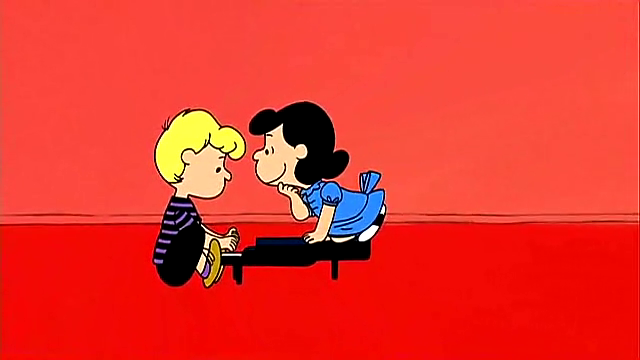
The two standouts for me are Ingolf Dahl's performance of Beethoven's "Sonata Pathetique" during Schroeder's aforementioned solo turn, and Trotter's "I Before E (Except After C)."  Stickier than Roman candy, this rhyming English lesson features Snoopy on the mouth harp and that's all I need to say

Well, actually I should say a bit more.  The soundtrack received a well-deserved Academy Award nomination for Best Original Score, losing out to the Beatles for Let It Be.  Leading up to the ceremony, Paul McCartney himself told ABNCB producer Lee Mendelson that "no way" would the Beatles beat out Peanuts.  Normally moral victories suck, but that's a rare example of one that just might surpass an actual recorded victory.  10

VOICES:  The seventh and final appearance of Peter Robbins as the original voice of Charlie Brown is arguably his finest.  His tendency toward dickishness as an adult is disappointing but nothing can change this fact:  no voice actor since has bested his portrayal of the world's most lovable fictional loser.  10

Pamelyn Ferdin (9) is a contender for the best Lucy ever, when you consider not only her work here but also in Play It Again, Charlie Brown, which aired on TV in 1971.  By turns coy and crude, she keeps Lucy from careening off the rails into irritating shrillness and makes her a foible pointer-outer par excellence.  Which, in the strips, is precisely her legacy.

Andy Pforsich and Erin Sullivan are limited as Schroeder and Sally, respectively, but earn high scores (8,9) for two scenes in which they individually shine:  poor Schroeder going over pitches on the ball field with an oblivious Charlie Brown, and an oblivious Sally explaining courting to poor Linus.  Sally Dryer (8) and Ann Altieri (9) make the most of their time as Lucy's toadies (they get to sing, though!).  Lynda Mendelson is in there too, as Frieda.  Don't blink.  Finally, we have Glenn Gilger making only his second appearance as Linus.  I don't think any child could ever improve on Chris Shea's marvelous performances, which is why this score of 8 should be considered in proper context.  Gilger makes Linus's blanket-anguish palpable, and that's no li'l job. 

I PUT A SPELL ON YOU

--The very first scene shows Charlie Brown, Linus and Lucy lying in the grass, staring up into the lovely blue sky and sharing what they "see" in the cloud formations.  This sequence is a nice introduction (or reminder) of the quirks that make each of the three main child characters special, and was parodied many years later in "The Tell-Tale Head," one of the better episodes from the first season of The Simpsons

--The plot of ABNCB was taken from a brief run of strips printed in 1966. Charlie Brown woke up from his dream before the last ring of the school bell, however....
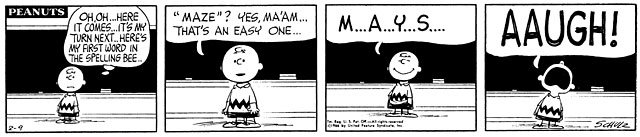

Hmm...coulda used a song to help him out.

--Charlie Brown's spelling bee words, in chronological order:  failure, insecure, stomach-ache, embarrassment, perceive, unconfident, fussbudget, disastrous, incompetent, beagle.  Pretty easy stuff, with the exception of "embarrassment," which I promise you a not-insignificant number of adults would misspell.


--


Kinda like how every episode of Hill Street Blues was "featuring Charles Haid."  And no one knew who the hell Charles Haid even was.

--


I pledge allegiance...to the black circle...the grooves, the needle, and the stylus.

--Peppermint Patty doesn't get to say word one in the film, but I'll be damned if she doesn't have the best sign! 

--After Charlie Brown is beaned by a baseball, Linus suggests they wet a handkerchief to apply onto his head.  Lucy recommends a bed sheet.  So marvelously mean.  I mean if ever a kid deserved to receive four hits from a quarterstaff....

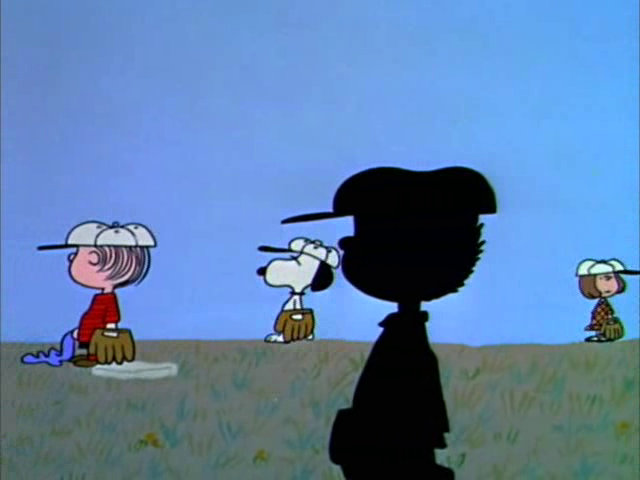
--Staying on the ballgame for a second...how in the world did Charlie Brown's squad ever record an out?  Their opponents just tire themselves to the point of exhaustion, thus hitting a few easy grounders and pop ups?  Or did they just figure, hey, we got our seven runs this inning, let's just bunt the remainder of the game. 

--Lucy's "slideshow of despair" points out many terrible things about Charlie Brown, but none more goosebump-inducing than his "tendency toward fatness."  The "most damaging" slides are unseen by the audience, of course.

--Snoopy the beagle, always into something.

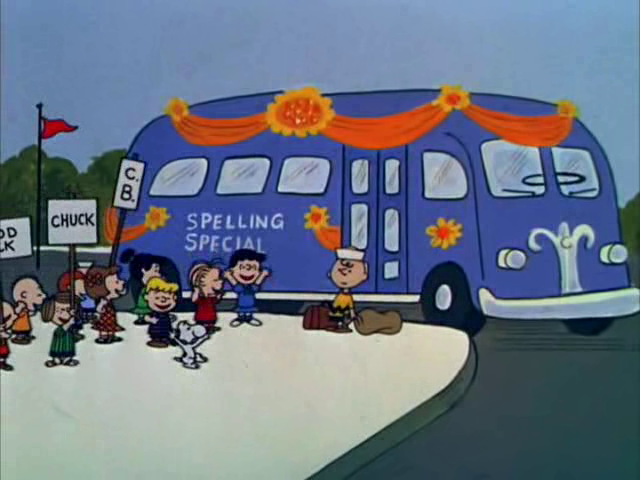
--Following my favorite band from gig to gig over the course of a few summers, I became, begrudgingly, a connoisseur of gazing out of bus windows.  The acreage, the occasional life form (usually four-legged), I took it all in, seeking respite from the untenable situations a Greyhound bus ride typically puts its passengers in.  I know that many times I would sit there wishing I could just get off that rackety breadbox with wheels, let my mind guide my feet, and let my feet guide me.  Sure I'd miss a concert, but maybe I could change my life.  Who knows what I would see, who I would meet.  Is that what Charlie Brown was thinking?  Sure, he's a lot younger than I was when I took these trips, but he's rather an old soul.  Is he wondering, as I often did, what in this world is for him?  What he is for the world?

--A lack of blanket makes Linus a nauseous boy.  He does everything but vomit, and once he reaches the hotel where Charlie Brown and the rest of the contestants are holed up, it takes less than half a minute before he passes out right there in the hallway.  In fact, he experiences three episodes of syncope in less than three minutes, and each time, Snoopy runs off to fill up a glass with water from the hotel room sink.  Once he returns, he drinks the water down in one gulp while Linus remains laid out.  I thought it was the funniest part of the movie as a kid, I think it's the funniest part of the movie as an adult, and I so desperately want the opportunity to do this in real life just once.

--And now for something completely French...Serge Gainsbourg singing "A Boy Named Charlie Brown."

B-E-A-G-E-L

--Now that is a failure face.  

--What is the deal with the swayin' head action here?  Did people do that a lot back then whilst mid-song?

--Chuck just needs to layer up whenever he plays baseball.  Or just show up in shorts.  Surely those rockets being hit back to the mound wouldn't sear off his flesh.

--Forget the pear.  Charlie Brown is shaped like every fruit in the bowl.

--


Bath time for bozo.

--Did the filmmakers intentionally screw up codeine, leisure and financier?  Y'know, to keep viewers astute?
--


"Now, he is contented.  Unsuspecting.  Later, his kidneys shall be ours."

--Snoopy dreams of scenes from It's the Great Pumpkin while lying on his back, riding an invisible unicycle.  Fuck yeah, the 1960s. 

--The question of why "beagle" is such a prime-time word at the National Spelling Bee is a fair one.  (The actual winning word at the 1969 National Spelling Bee was "interlocutory."  2011's was "cymotrichous.")

--"Owning ten percent of Charlie Brown is like owning ten percent of nothing!"  Lucy's managing career, over before it truly started.  I still laugh at the clicking sound each time she turns the TV set on and off.


Charlie Brown's Summerfordian luck made for several classics of long form animation.  Of the four Peanuts features, though, only ABCNB and Snoopy, Come Home are currently available on (legal) DVD.  How dreadfully annoying.   Mind you, I think anything less than a Criterion Collection release of this movie is a joke, but I ain't holding my breath.


Friday, July 4, 2014

The Birth of the Constitution


AIRDATE:  10/28/1988

STORY:  The Peanuts gang are smack-dab in Philadelphia, PA, during the sweltering summer of 1787.  Big Things are happening at the local State House, where 55 wealthy delegates in powdered wigs have gathered to bury the Articles of Confederation and create in its place a new and improved Constitution.  All the better to be the United States of America with, my dear.  The choices before them are, ostensibly, monarchy, democracy, republic.  However, having just come out from under a monarchy, there are only two real options.  The founding fathers desired a system that prevented tyranny by not only the nation's leaders, but also by its populace.   Thus, America the Republic.

As points are haggled over, hems are hawed and haws are hemmed, the kids do their part via strenuous manual labor (which will be the least relateable part for any child watching this special). Linus stresses to the others how important this convention is for the future of the country, and even sneaks into the House to eavesdrop.  Fittingly, it is the licorice-headed boy who excitedly informs his friends--and us--that the new Constitution has been written and signed.  Popular sovereignty, hurrah!

Thrilling at the time, certainly.  Little did those snobbish pricks know that America would grow so exponentially, so like a damned, donut-eating Homer Simpson, that the lunatic fringe of the nation outnumbers several European countries in toto, thus assuring that they can (and do) wield influence in all branches of government, resulting in an America that is in perpetual disarray.  8

ANIMATIONA topographical marvel, is our America.  Everything and everyone is nicely-drawn, but did that many delegates really have pickle-noses?  8

MUSIC:  George Winston on the piano and harpsichord.  Nothing to complain about.  8.5

VOICES:  The only notable performances are Ami Foster's Lucy (7.5, "deli gates") and Jeremy Miller as Linus.  His score of 8 is earned almost solely on the strength of a single scene, his breathless announcement that 39 of the 55 delegates signed the document.  I imagine that Bill Melendez had the young fella take a few laps around the recording studio before laying down his lines.

Jason Riffle and Christina Lange voice the Browns.  Keri Houlihan and Jason Mendelson are a decent enough Marcie/P. Pat team.  Really, it's the Linus show here.  Snoopy isn't even given much room to steal scenes.

THE SUPREME LAW

--18th century...or today?

--Charlie Brown invents basketball in between making kites for Benjamin Franklin to fry himself with.  Lucy suggests another new game called "kickball," and wants Charlie Brown to play.  You can imagine where this goes.
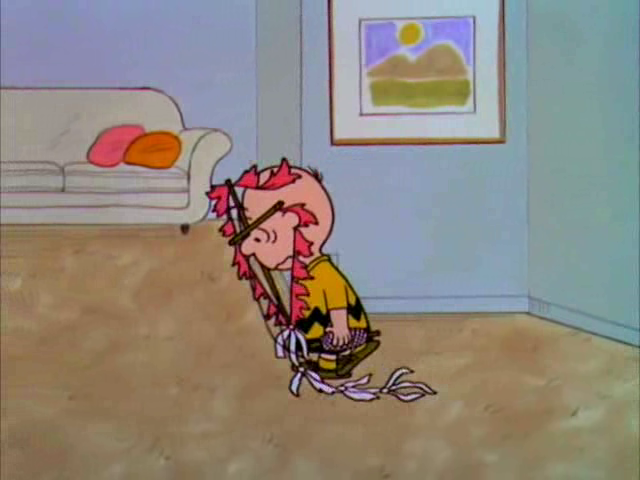
THE AVERAGE AMERICAN'S COMPREHENSION OF THE FIRST AMENDMENT

--Snoopy slept on his nose overnight.

--


See that Illuminati symbol on his shirt?  Not the zig-zag; I mean that...snake?  Yeah, snake.  Clearly the logo of a nefarious underground cabal.  They recruited Chuck to put microchips in the kites.

The Birth of the Constitution is one of the lesser installments of the This Is America mini-series.  It's fine to watch once, but there's so much more to the story that the shortcomings of this format are glaringly obvious. 

Saturday, June 28, 2014

He's a Bully, Charlie Brown

AIRDATE:  11/20/2006

Charles Schulz drew up almost 18,000 total Peanuts strips.  For producers seeking inspiration for the next television special, then, the dilemma is selecting which story to tell, not would they find a story to tell. 

The main story of He's a Bully derives from a brief strip run first published in April 1995.  Charles Schulz himself was working on the visual adaptation prior to his passing, with the tentative title It's Only Marbles, Charlie Brown.  The project was put on the back burner for several years, as the fair-to-middling likes of It's the Pied Piper, Charlie Brown and Lucy Must Be Traded, Charlie Brown took up airtime.  With the surprise artistic success of 2003's I Want a Dog For Christmas, Charlie Brown, however, the Peanuts visual brand proved itself still vital.  Or did it?  Was the touching and hilarious showcase for the littlest Van Pelt merely an anomaly?

Interestingly enough, Rerun is a key player in this special as well.  Making his way up to the attic one day, as mischievous children are wont to do while their parents are off doing other things, he locates a jar full of his grandfather's old marbles, as well as the championship trophy that the little bowler-donner earned for his proficiency.  Instantly, he's smitten.

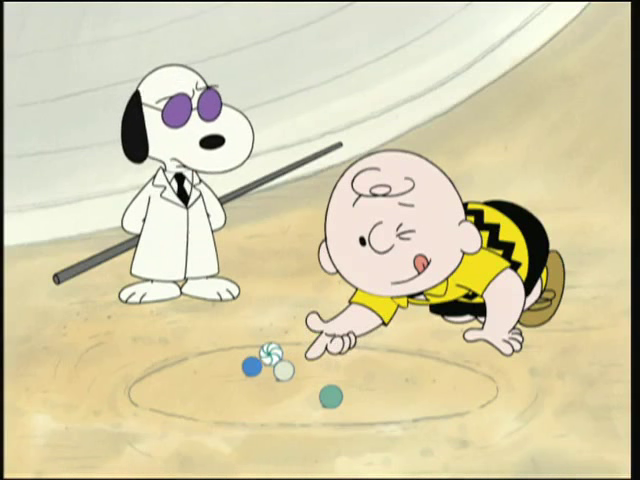
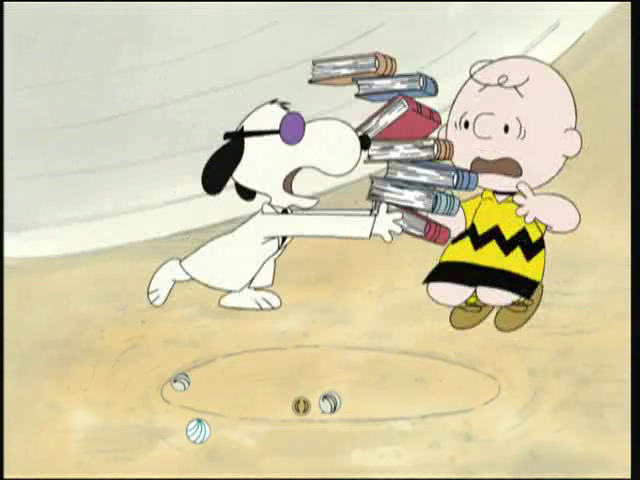
Virtually all the kids are attending Camp Indian Lake for the summer (bar Peppermint Patty, who requires supplemental schooling).  Rerun spies a big kid playing marbles and sees a golden opportunity to learn the centuries-old game, hopefully becoming a master like his granddad.  Lugging the same jar he found in the attic, Rerun approaches the baggy-eyed, disheveled, and perfectly-monikered Joe Agate.  Who as it turns out is a bonafide hustler.  Believing that he was only being shown the ropes, Rerun is inconsolable when Joe informs him he only plays "for keeps" and then casually walks away with all the little boy's marbles.  Upon discovering the deceit, Charlie Brown vows to win back all the aggies, going so far as to lock himself in a boathouse with Professor Snoopy (paws and taws, baby) to practice until he achieves virtuoso status.

The big showdown ends with a Joe Agate victory, but wait!  Snoopy has two spare marbles!  Given a second chance to triumph, Charlie Brown bombs atomically.  Joe is chagrined publicly, as all bullies should be. (This plot twist differs from the original story, where Charlie Brown beat Joe outright.)

A subplot, taken from a series of 1989 strips, concerns Peppermint Patty's overwhelming jealousy over the idea of Chuck and Marcie canoodling at camp.  After several phone calls only serve to further inflame her resentment, Patty abandons education and crashes camp--only to discover that thanks to his training, Charlie Brown hasn't had much contact with Marcie (or any of the other kids) at all.

The relevance of marbles in the 21st century is an issue that should be discussed by people who concern themselves with such trivialities.  You'd rather Charlie Brown best "Joe Nintendo" at Mortal Kombat?  While this decidedly anachronistic Bully does not reach the heights of I Want a Dog, nor does it plumb the depths of that Pied Piper tripe that I swore I wouldn't mention on this site again but here we are!  Definitely worth a watch, with plenty of laughs to be felt.  7

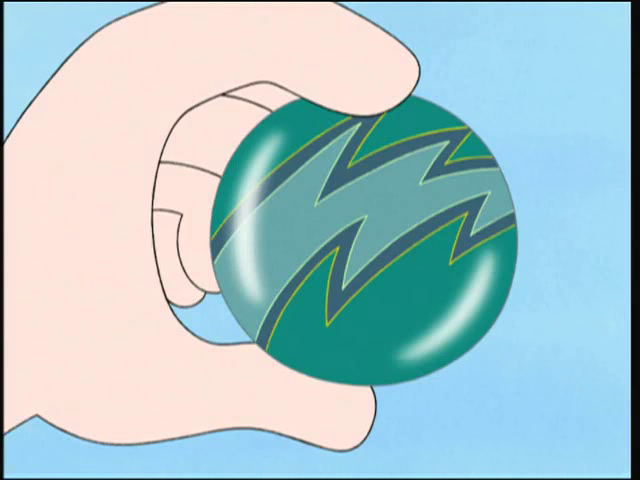
ANIMATION:  Keeps in line with the last few shows.  Clean where need be, messy where need be.  The marble designs pop out at the viewer, but what else would one expect?  Speed, power, puissance--that's why the San Diego Chargers powder-blue jerseys are so iconic.  7.5

MUSIC:  David Benoit at the helm means that the jazz to be sussed is more 80s than any decade prior.  Lacks thoughtfulness, but not obnoxiously so.  7.5

VOICES:  Spencer Robert Scott is our Charlie Brown for this presentation, and I can't help but feel underwhelmed after multiple viewings.  He sounds like a perpetual toe-dipper.   I just wanna push dude into the water, like, acclimate to the temperature already!  7

Stephanie Patton and Benjamin Bryan are serviceable as the biggest Van Pelts (7.5 each).  Peppermint Patty and Marcie are done much justice--that said, I'm giving Rory Thorst and Jessica Gordon matching 8's due to my personal sliding scale for their characters. 

Then...there's Joe Agate.  The antagonist.  The prick kid who cons the other kids out of their precious marbles.  He's voiced by 14-year-old Taylor Lautner, who a mere two years later was cast in the role abbed-out shapeshifter Jacob Black for the Twilight film series.  I swear I do not hold the sins of the future against young Taylor.  Teenage girls screaming the last of their gray matter out of their facial orifices has nothing to do with this show.  Nor does wooden acting that no one cares about because the actor in question is shirtless.  My score of 7 is fair. 

KING SHIT OF BOTTLE WASHERS

--"Now we ante up."  Yap that fool!

--Not gonna lie, the sporty-ass intro gave me the It Was My Best Birthday Ever, Charlie Brown chills.  Oh wait--haven't reviewed that one here yet.  Heads up:  uh-oh. 
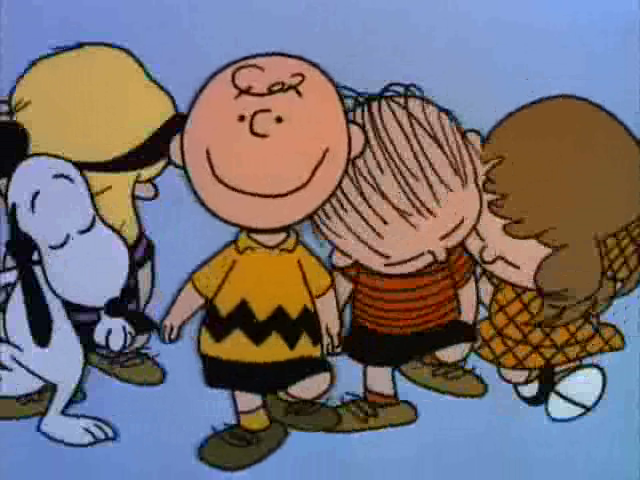
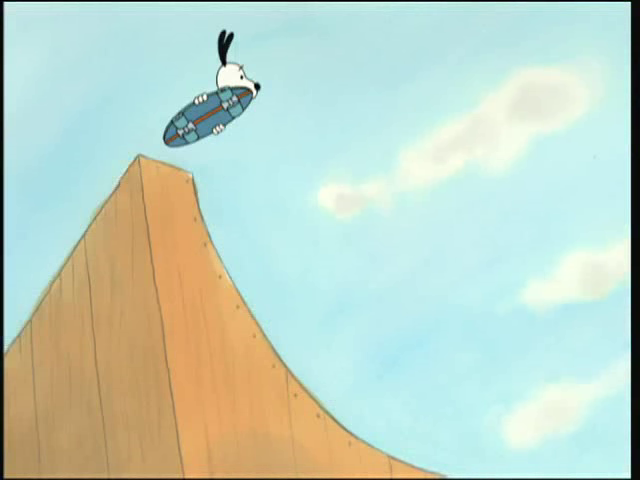
--Why can't I be Snoopy, even if for only a third of the day?

--Eff off, English breakfast! 

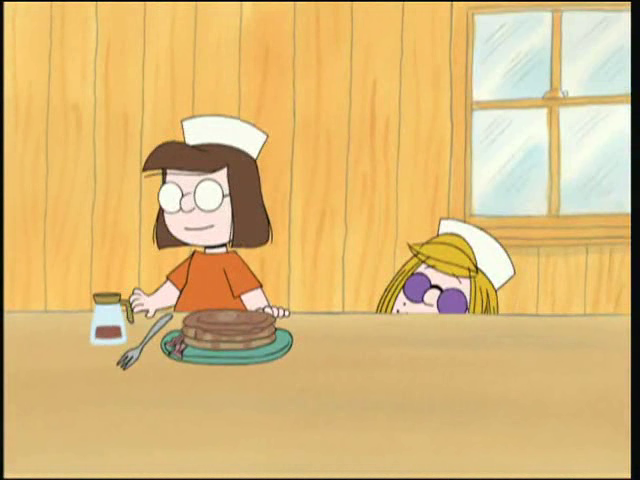
Big friggin' pancakes swimming in sweet syrup, served with a side of streaky bacon strips.  And there's no whatever-the-hell-you-call-pudding anywhere on the plate to offend the palate.  
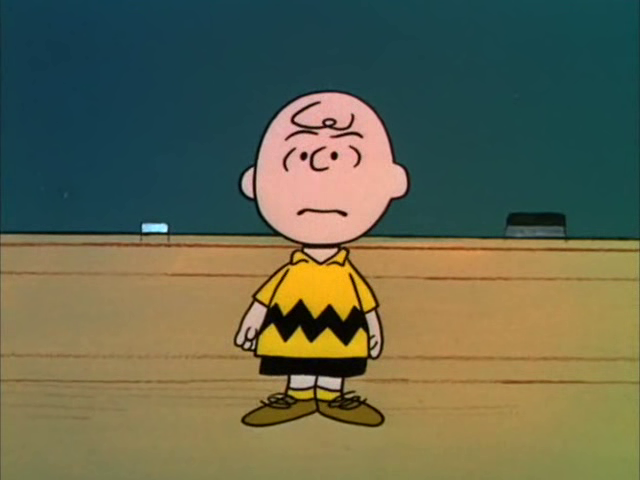
--Snoopy in coach mode never disappoints.  Stern-faced and growling, pushing proteges to peaks previously unfathomed.  Cutest grump ever.

--That's my answer to everything, too!

--


From page to screen, ain't it a wonderful thing?


--How happy Rerun is to be learning the same game at which his grandfather excelled.  Something old and new at the same time.  Then he gets screwed.  Joe Agate sucks.

--


"Man....What you have to get about the game of marbles is, you do it a disservice when you just think of it as nothing more than a silly little game.  It's not just a game, and it's not just for kids.  Marbles are spherical.  The Earth is spherical.  Much love to Aristotle.  You play within a sphere.  And unlike real life, skill is valued over luck.  Marbles is kinda like the ideal world, the ideal existence.  The Egyptians understood this.  The Egyptians, man.

"I don't foresee a time when I'll ever stop playing marbles.  I might get rid of some of these bags, though.  Might just walk up to some stupid kid and be all, 'Hey kid, you want some gumballs?'  Then tell 'em make sure they don't eat any till they get home 'cause I don't wanna hafta watch that."

KEEPSIES, WEEPSIES

--Fictional attics are always mysterious in their ramshackle beauty.  The attic in my childhood home doubled as my big brother's bedroom, which under the domestic auspices of our mother mean it was kept as kempt as every other room in the house.  Besides that time Reign In Blood scared the Hawaiian Punch outta me, the attic was actually pretty dull.

--"Welcome to the wonderful world of jealousy....For the price of admission, you get a splitting headache, a nearly irresistible urge to commit murder, and an inferiority complex."  

--I was briefly tempted to call Joe Agate the wittiest of all Peanuts bullies, but really, he's just the punniest.  (After losing to Charlie Brown, odds are good he don't wanna be a player no more.)


Nearly two years after He's a Bully, Charlie Brown aired, Bill Melendez died at the age of 91.  A true animation legend whose work spanned 68 years, he was not just a producer, animator, and director, he was the "voice" of Snoopy.  Furthermore, he always will be; archival audio of Melendez was used in 2011's Happiness Is a Warm Blanket and will also appear in next year's Peanuts feature film.


Friday, June 6, 2014

What Have We Learned, Charlie Brown?


AIRDATE:  5/30/1983


STORY:  Just as in my last Peanuts review, Charlie Brown and Sally Brown are hanging out at home.  Chuck is diligently filling up a scrapbook with pictures of lovely French regional architecture, taken during his time as an exchange student.  (That's right; What Have We Learned is considered a sequel, of sorts, to the fourth Peanuts feature film, 1980's Bon Voyage, Charlie Brown.)  Sally is wondering exactly how her brother, Linus, Peppermint Patty, Marcie, Snoopy and Woodstock made their way back to the United States.

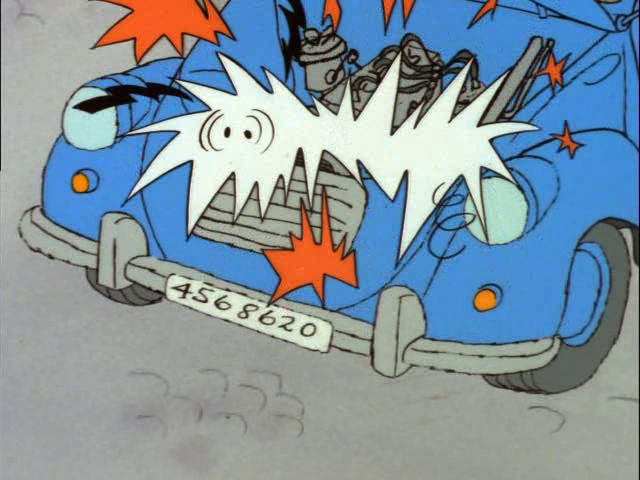
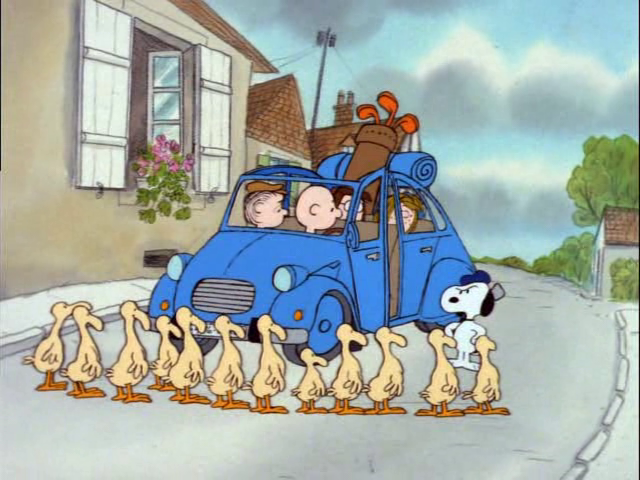
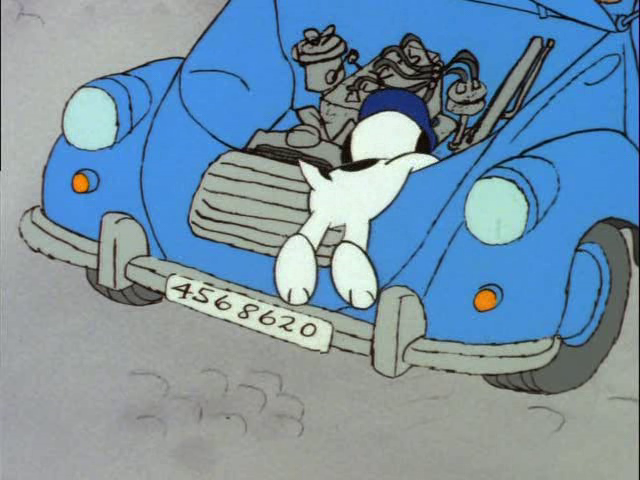
Flashback to France, and the open-ended conclusion of Bon Voyage.  A beret-clad Snoopy is struggling behind the wheel of a Citroen 2CV.  In the midst of some ad hoc auto repairs, Snoopy kicks the car into several dozen pieces.  Silence reigns, until Peppermint Patty suggests they all grab some grub.  (I like the way that girl thinks; always have.)

After filling their stomachs with some rich lunch, Snoopy reassembles the Citroen and drives it to a nearby car rental lot.  Seeing as their old ride now resembles a scrap metal sculpture, a replacement is vital.  The female proprietor is an older French woman who is clearly besotted at the sight of Snoopy decked out in full Flying Ace attire.  The group resume their journey, planning to grab a ferry to London, where they will grab a flight back home.  Night falls, and they pull over, setting blankets out on a nearby beach.  Linus can't shake his restlessness, however, and abandons the gang to take a stroll along the shore.  After several moments gazing at the environs, he excitedly returns to his friends, waking them up to inform them that they are at Omaha Beach, largest of the five beaches that were invaded by Allied forces during World War II, on what would historically come to be known as "D-Day."  "This is where it all started!"  he exclaims, taking them down to the shore so they can learn some more more more more. 

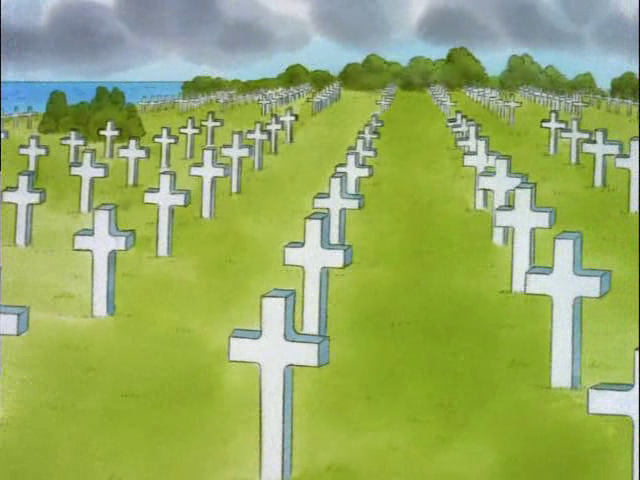
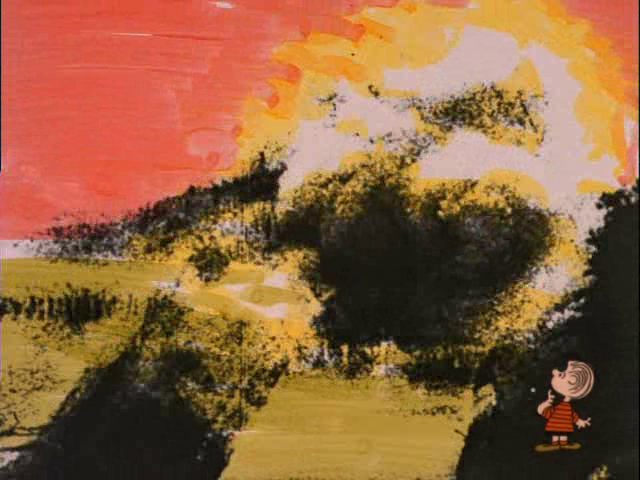
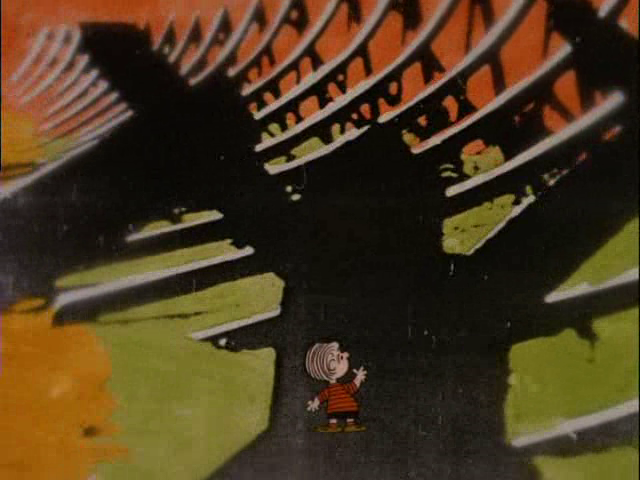
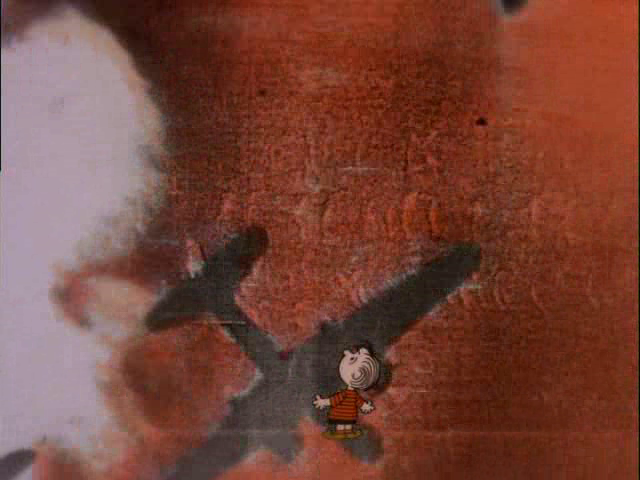
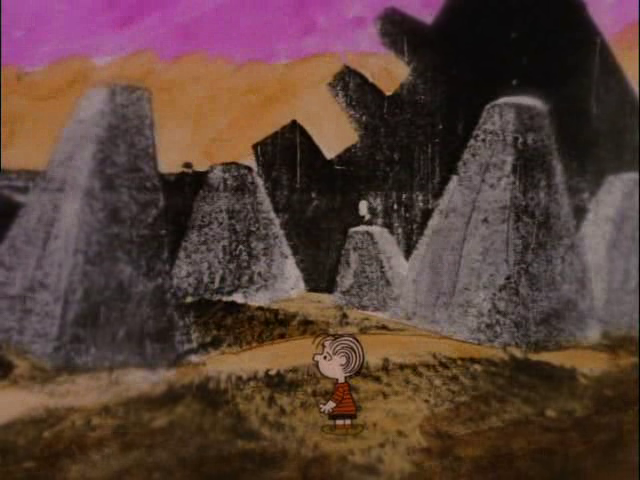
Linus tells a condensed version of the events of June 6, 1944, as (filtered) archival news footage of the combat appears on screen, with the Peanuts kids placed amid the action via rotoscoping.  When day breaks, they visit the 172-acre Normandy American Cemetery and Memorial, the final resting place of 9,387 fallen American soldiers.  Audio of U.S. General Dwight Eisenhower plays on the soundtrack as the children gaze at the rows of white crosses and the garden walls upon which another 1,557 troops whose bodies could not be located or identified have their names inscribed. 

Eventually they return to the car to begin the journey anew.  The solemnity of the last several minutes is momentarily broken up with the appearance of what can only be described as "French Woodstocks."   A stop for breakfast can't deter Linus, who would much rather bury his face in a book about the War then a plate of piping-hot croissants. 

The wisdom of letting the dog drive is once again challenged when he gets lost.  A local boy tells the group they are on the road to Ypres, Belgium--a city that Linus recognizes as the site of one of World War I's most memorable struggles:  the Second Battle of Ypres, fought over April and May of 1915.  The Germans used poison gas on the Western front for the first time in this battle, forcing the British and French forces to immediately develop their own chemical weapons and proper field protection.  Over 100,000 casualties were claimed, one of which inspired Canadian Lt. Col. John McRae to pen the poem "In Flanders Fields," a touching if mildly anachronistic piece that Linus recites amid a preponderance of red poppies.  Once finished, he walks over to his speechless friend and asks simply, "What have we learned, Charlie Brown?"

With that question still ringing in our ears, the action returns to the Brown abode, where Sally calmly points out to her brother that he's pasting the pictures into the scrapbook upside down. 

So you see, these 25 minutes of Peanuts are nothing like the last 25 I reviewed.

Charles Schulz was inspired to create this animated tribute while recovering from open-heart surgery.  A former Staff Sgt. in the Army, Schulz spoke sparingly but proudly of his service.  What Have We Learned is the greatest tribute the man could have possibly offered.  10

MUSIC:  Judy Munsen and Dawn Atkinson provie a soundtrack is downright reverent, wisely utilizing minimal reeds and strings.  9

ANIMATION:  This is movie-quality animation, and from the city to the countryside, cartoon France looks marvelous.  Linus' visual revelation on Omaha Beach is tasteful, stirring and gorgeous.  Not a single second of the real and cartoon worlds meshing comes off as hokey or crass.  10

VOICES
:  Everyone gives low-key performances.  Brad Kesten and Stacy Heather Tollin voice the Browns and each earn 8's.  Brent Hauer gets a 7.5 for Peppermint Patty, for lack of use.  Michael Dockery is busier a bit as Marcie, and a sugary bilingual treat besides (9).  Jeremy Schoenberg carries the weightiest load as Linus the impromptu tour guide through some of the most harrowing periods in world history, and he acquits himself well (10).

THE TORCH, BE YOURS TO HOLD HIGH
--I heart you, vexed Snoopy.  You make my ventricles glow.

--Check out how handy he is, I mean sure he gets angry quicker than the Incredible Hulk hearing a joke explained, but he's just so damned cute and versatile, his style switches like a--


WHAT.
THE.
THING.

You killed him!  You beagle-electrocuting stink-frogs!  The rancid spirit of De Gaulle haunts you all to this day!  France, you listen to me, and you listen to me good…


Oh.  He's fine, guys!  Holy crap, do I crave crepes and croissants like crazy suddenly. 

--Are Citroen's really that rickety-rackety?  I get the vibe if you suddenly smashed down on the brakes while driving one, your feet would go through the floorboard.

--Speaking of smashed feet...


I know, Marcie.  I know.

WE ARE THE DEAD/SHORT DAYS AGO WE LIVED

While What Have We Learned understandably does not feature the more gruesome realities of war, the show remains riveting.  The best testimony I can give is that it drove me to read up more on D-Day and Ypres, to explore beyond the gripping visuals beloved by Hollywood and the tidy tales told for the satisfaction of simplistic minds.  (The invasion at Omaha Beach, for example, was actually a military disaster that somehow turned into a bittersweet triumph.)

One of the most magnanimous achievements in animation, What Have We Learned, Charlie Brown? somehow missed out on an Emmy Award, but did earn a prestigious Peabody Award.  A quote from Charles Schulz about the special was included in the 1999 book Peanuts:  A Golden Celebration makes it clear how proud the creative team was with not only the end result, but the reaction to it as well:  "The Peabody award we received for What Have We Learned, Charlie Brown? was a very gratifying response to the program, plus many wonderful letters from appreciative young viewers who said that they now understood what happened on June 6, 1944. We labeled this show with the subtitle A Tribute, because that was exactly what we wanted it to be: no more and no less. It proved also that the characters of Charlie Brown, Linus, Snoopy and the others were close enough to being real to handle delicately a subject that other animated characters would destroy."

He was 100% right; Jim Davis wouldn't have dreamed of animating Garfield at Iwo Jima, you know.

Sunday, May 25, 2014

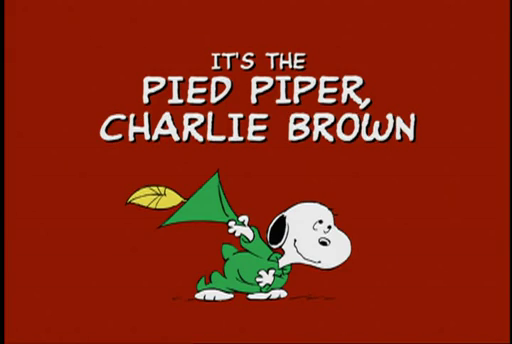
It's the Pied Piper, Charlie Brown


AIRDATE:  Straight-to-video, 9/12/00.  Wondering why this show has never aired on TV is akin to wondering why a VW Bug has never won the Indy 500.

STORY:  A great reward of fiction is the escape into a new world, or a familiar world viewed through a different lens.  A great risk of fiction is the possibility that said new world is a stultifying environment populated by vapid characters.  Your brain will be either electrified or enervated. 

Since the early 80s, the world of Peanuts has been an enriching one for me.  Every bit as much as the masters that lined his bookshelves, Charles Schulz created a work of art for the ages.  No matter the era, I can find a strip that is hilarious, a strip that is heart-wrenching, a strip that puzzles, or a strip that validates.  Beyond even the preternatural musings of pre-teens with odd bodies I can flip open a book and marvel at the unique penmanship of Schulz, who used strokes and curves the way Caravelli used chords and scales.

Schulz didn't shy away from taking his young characters out of their comfort zone, and this bravery made for not only some great strip runs, but also some memorable TV specials and movies--Race For Your Life, Charlie Brown, Bon Voyage Charlie Brown, the This Is America mini-series spring immediately to mind. 

It also made this special possible.

The Pied Piper is a German legend (but aren't they all?) re: a pipe-playing figured decked out in flamboyant attire, hired by the long-suffering citizenry of Hamelin to banish the rodents that have overrun their town.  When the townsfolk refuse to recompense their savior, he retaliates by enchanting their children and leading them out of town. 

It's a story that's been told for centuries, one that I first read in fairytale collections as a young lass, and so when given a choice between it or War and Peace, of course Sally Brown is going to prefer that her brother read the shorter book aloud. 

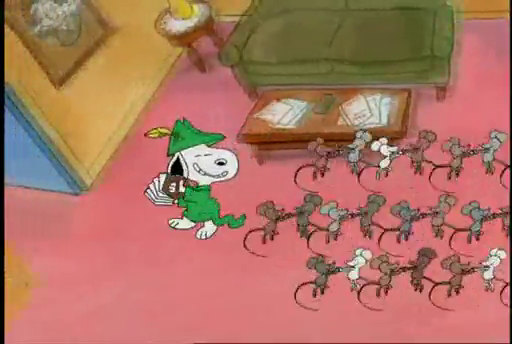
The rats driving the town crazy are "sports mice," apparently, although they do much more than just kick soccer balls about.  They skate, they skateboard, they Flatley, they even line dance.  (Turns out line-dancing is tolerable only when done by mice.  Then again I'm a sucker for animals wearing hats.)   They annoy the shrill card-playing adults on their way to Charlie Brown's pitchers mound and Schroeder's toy piano. 

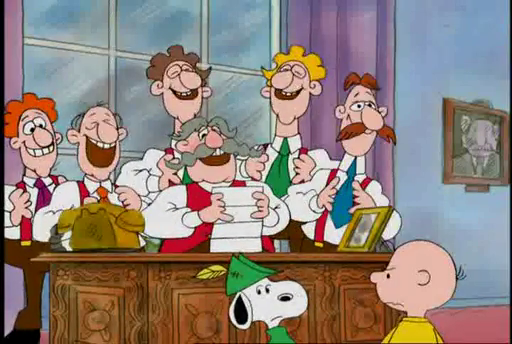
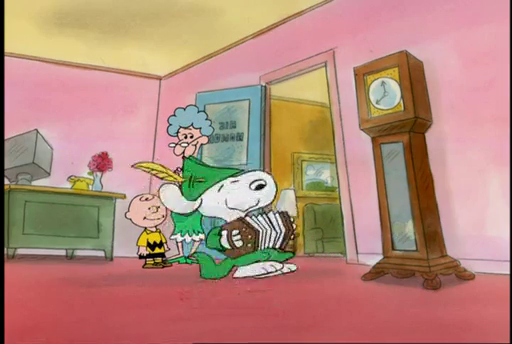
Something, clearly, must be done.  Charlie Brown visits City Hall and offers a solution to the suitably stuffy Mayor:  a pied piper whose gift of song will hypnotize those pesky vermin, causing them to follow him in perfect step, out of the town and out of their lives.  The desperate Mayor agrees, the Piper materializes, and of course it's Snoopy, wearing the de rigueur cap and gown of all Robin Hood U. grads.  His "pipe" is actually an accordion, which is an instrument comprised of a bellows, reeds and keys.  No pipes.  The only accordion pipes you will ever find belong inside of cars or inside of homes.  I don't get the switcheroo here.  (Snoopy would look super-cute playing the flute.)

After signing a contract promising the payment of one years worth of dog food for a job well done--keep your glory, gold and glitter, Snoopy requires only silver cans stuffed fulla canine chow--the beagle precedes to work magic and make them vermin disappear.  However, upon his return to City Hall, Snoopy's hopes are thwarted when the Mayor pulls the ol' "this document wasn't notarized" trick to avoid paying the so-called "piper."  Peeved, Snoopy begins to work the bellows and soon the Mayor and his flunkeys are following the beagle to the outskirts of town, where they start up a stupid campfire and sing some stupid song for three stupid minutes. 

Cut back to the Brown house.  Sally doubts the credulity of such a tale, but wait!  What's that outside?  Why, it's Snoopy and his accordion!  And that's Linus, Lucy, Peppermint Patty and Franklin zombie-shuffling 'round his doghouse! 

In that ending is contained the major problem with this special:  it is not fun.  The animals seem to be the only ones enjoying themselves.  The humans are, by turns, resigned/afraid/devious/drab.  The Peanuts characters placed inside a fairytale world should be bright and brilliant, ebullient and enjoyable.  (The Monkees pulled it off!  Won an Emmy even!  Mike Nesmith cross-dressed!  And didn't shave!)  Instead, It's the Pied Piper, Charlie Brown is a wretched disappointment.  If A Charlie Brown Christmas is a heaping lobster Reuben, Pied Piper is a cold grilled cheese.    To quote Joan from Mad Men:  "This was completely unnecessary."  1

MUSIC:  David Benoit at the helm.  I know a score of 3 sounds bad, and it is, but the soundtrack is really the least disgraceful element of the whole show.

ANIMATION:  Pied Piper was the final Peanuts special to feature the traditional cel animation (it's all digital paint and ink these days). As send-off's go, only Col. Henry Blake's was grimmer.  The character designs are clumsy throughout, and once you realize that Snoopy hasn't even been done justice by the animators, all you can do is pray for the best and brace for the worst.  His eyes, normally so playful and vibrant, are beadier than usual and thus dull dull dull.  His ears are mostly white, with some black--a terribly amateurish design decision that almost convinced me I was watching a knock-off.  His smile, usually so contagious, is crooked as a three-card molly game on Lombard Street.  His nose is drawn and colored to resemble an Oreo cookie.


The backgrounds seem ashamed to be seen.  The hyperactive rats, in contrast, are animated wonderfully.  Watching them do their obstructive thing is riveting.  It's like the animators put time and effort into bringing these little pests to life!  3

VOICES:  As Charlie and Sally Brown, Quinn Beswick and Ashley Edner are duly blah, so either they're the most perfect performances possible, or just unspectacular.  5's for each.  Corey Padnos and Rachel Davey do slightly better (6) for their portrayals of the Van Pelt siblings.  I dunno.  The animation and story are so overwhelmingly crap that things such as mediocre voice-acting just come off as so much toilet water.

Frank Welker and Joan Van Ark do fine as the Mayor and his secretary, respectively, but extraordinary performances would have been wasted on such a putrid script.  I hope Lee Mendelsohn apologized to them afterwards. 

PUPPY'S GOT A SQUEEZEBOX


--Producer Julia Phillips, the first woman to win an Oscar for Best Picture, was also a quick-witted, razor-tongued drug addict who took a Snoopy doll with her to rehab.  Lisa Marie Presley considered her Snoopy doll to be her only friend growing up, going so far as to dress him up and take him to school with her. At a Carnegie Hall benefit, composer Leonard Bernstein approached Snoopy--actually, Judy Sladky in costume--put his hands on either side of the beagle's soft, bulbous nose and proclaimed, "You are a genius."

You know why Snoopy inspires such affection?  Why Snoopy and not Muttley?  Because Snoopy represents the whole of life.  When Snoopy desires to dance, he dances.  He puts his entire body into the act, so that even his ears seem to be moving in their own unique rhythm.   He realizes that to eat is to live.  He would do anything for his best friend, even rassle with a 50/100/200 pound cat.

But not all is biscuits and gravy.  Snoopy knows pain.  Remember when his doghouse burned to the ground, destroying all of his possessions?  Remember when Snoopy found out that one can of dog food per month is not adequate payment for fire insurance?  Who can forget the time Snoopy jumped onto his supper dishes and broke his foot?  I wept! 

Point!  Snoopy is beloved worldwide and he has earned every iota of this adoration.  I love Snoopy more than 98% of my own family (hey, guys!) because frankly he's more loyal.  However, I am not so besotted as to be incapable of objectivity.  Pied Piper didn't make me love Peanuts any less; it made me love myself less.

GOT MORE RATS THAN BUSTA RHYMES GOT "WOO-HA"'S

--I'm gonna retrieve my DVD of this and write SUCKS on it.  'Cause it sure does suck on it.

--


Yes.  That is Snoopy yakking on a cell phone.  Repeated assurances from the creative team that there will be no similar nods to modern technology in the upcoming Peanuts full-length film warmed the cookies of my heart.

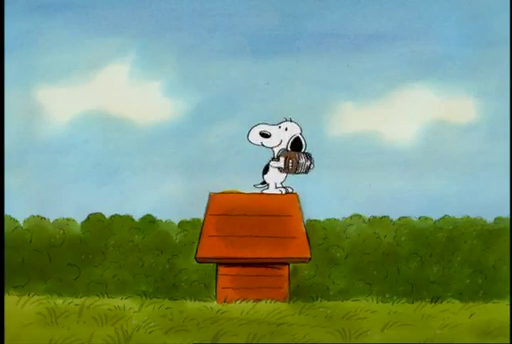
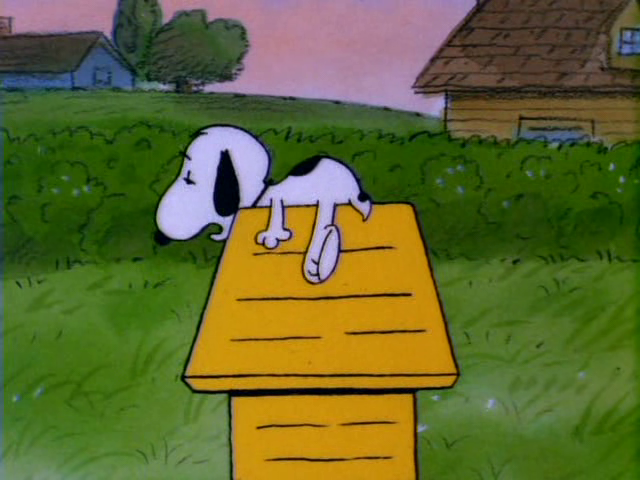
--Seriously, the beginning sequence of Snoopy on his doghouse could have taken place in one of the rooms at Overlook Hotel.

--


No, Snoopy!  Hang in there!  I Want a Dog For Christmas, Charlie Brown is just three years away!

So there's my review of the final Peanuts show produced while Charles Schulz was alive--a fact that's so depressing I think I'm gonna go curl up on my Snoopy sheets and sob convulsively whilst clutching a Snoopy doll. 

Watching the DVD with my best friend was a desultory experience.  It was like staring into a sinkhole and hearing the screams of the children trapped inside.  I yearned for relief.  I wanted so badly to reach down, punch a hole in my stomach, rip out two feet of intestine, hurl them onto the floor, and stomp on 'em with a ferocity that would make the Brothers Johnson proud. 

While Pied Piper is not the only bad special to bear the Peanuts brand, it is easily the worst.  You can't even depend on Snoopy to save the day somewhat because they fuck Snoopy up.  He plays an accordion!  He looks like a fourth-grader drew him!  Roddy Piper painting half of his body black for his Wrestlemania VI match with Bad News Brown made more sense than anything that occurs within these 25 minutes of hell.  Avoid this DVD.  Watch any other Peanuts show.  Do a binge-watch of Peanuts shows.  Don't endure what I had to.  I don't want you to feel my pain.  I would much rather you share my joy.

Sunday, May 4, 2014

Happiness Is A Warm Blanket, Charlie Brown


AIRDATE:  10/1/2011 (initially released straight-to-DVD 3/29/2011)

STORY:  The 45th Peanuts special is 45 minutes long.  It's also the first without the direct involvement of the legendary Schulz/Mendelson/Melendez trio.  Andrew Beall (Wall-E, Up) and Frank Molieri (The Simpsons Movie) share the directors chair, while Craig Schulz and Stephen Pastis (Pearls Before Swine) are credited as writers, along with Craig's father.  For inspiration they looked to the strips of the early sixties.

Meaning that linearity is blessedly shunned.

Grandma Van Pelt's imminent visit is the bass line around which the neighborhood plays.  The relative solace of a grand ol' ballgame; Lucy and the Sisyphean folly of loving a musician; and most persistently, Snoopy's desire to separate Linus from his soothing blue cloth before the old woman can.  Ultimately it is sister Lucy who spells doom with contest-winning aplomb, first turning Linus' security blanket into a kite, then freeing it.  His subsequent anguish and withdrawal is heavy duty stuff, less the typical temper tantrum of a tot and more a full-grown, full-blown panic attack. 

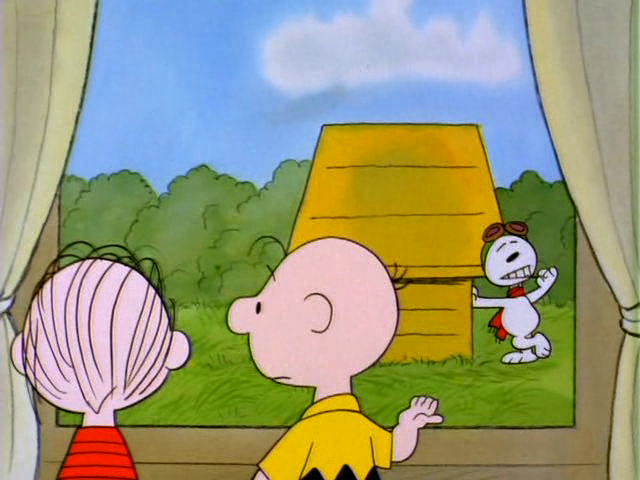
Eventually, boy and best friend are reunited, but not before he has received substantial guff for his alleged "addiction."  Fed up, Linus take to the majestic soapbox that is Snoopy's doghouse, and dares to ask:  "Are any of you secure?"  He does not hesitate to highlight the foibles of his friends:  Schroeder's obsession with Beethoven, Snoopy's preoccupation with suppertime, Lucy's unrequited longing for the kid obsessed with Beethoven, Sally's unrequited longing for the kid yelling at everybody from atop a friggin' doghouse.  Not since Ned Flanders snapped on the shoddy handiwork of charitable Springfieldians has there been such a glorious mass dressing-down.

In the end, Grandma arrives and a detente is reached between she and Linus.  Between Snoopy and Linus, though?  Nah.

Lesson:  security is valuable.  Value your security.  9

MUSIC:  When seeking a composer to bring a sound that was familiar without being beholden to the past specials, the producers could not have done much finer than Mark Mothersbaugh.

Saying goodbye to a once-lucrative gig with new wave pioneers Devo at the beginning of the 1990s, Mothersbaugh took his quirked-out musical sensibility into commercials, television programs, and eventually movies.  In particular, his work with director Wes Anderson on The Royal Tenenbaums was not only highly-acclaimed but majorly influenced by the music of the late Vince Guaraldi, with Mothersbaugh stating in interviews that he saw Anderson's film as a "live-action Peanuts."  It made sense, then, for the Warm Blanket team to reach out.  But what seemed to be a collaboration made in heaven almost didn't happen when Mothersbaugh's agent informed the producers that their client explicitly refused to work on any straight-to-DVD release.  This tune changed once Mark found out that the suitors in question were calling for a Peanuts straight-to-DVD release and not some dopey flick about a sentient popsicle.

The soundtrack is an indisputable 10 to my ears, a perfect example of how to pay tribute without stooping to toadyism.  Guaraldian tinkles and flourishes are plentiful and tasteful, and the Jaws-esque mini-theme for vulture Snoopy is mangoes.

ANIMATION:  Not only does Warm Blanket boast the most brilliant animation to grace a Peanuts special in years, it boasts some of the most brilliant in a Peanuts special ever.  The classic look is a firm hug that combines the traditional 2D (hand-drawn, hand-painted) with some visual staging that, while not innovative, are nonetheless pretty novel in the grand history of the Peanuts shows.  The hue selections are engrossing, especially the reds and yellows.  The figures and faces are rendered in the Schulzian style that will never grow old 10

VOICES:  First off...Grandma is a trombone.  Happy?

Yet again the real star of the show is not the titular worrywart.  Linus is frequently sage, sporadically sarcastic, and always in search of security.  He's also quite cute, which not all the children who've voiced him manage to convey.  Austin Lux gets it right (9).

Chuck Brown is handled well (8) by Trenton Rogers, who also speaks for Schroeder.  Amanda Pace's Sally is naive and speaks in slippery syllables--in other words, she too nails her part (8).  Grace Rolek also earns an 8 for her alternately coy and cloying Lucy (as standard, it's what she does in the presence of her would-be darling rather than says that stands out).

Violet, Patty and Shermy are voiced by, respectively, Blesst Bowden, Ciara Bravo, and Andy Pessoa.  Great to see the original characters represented, if underrepresented.  7 for each.

Shane Baumel does okay (6) as Pig Pen.  Bit wispy, perhaps.  As with the devil in a blue dress, it's what the walking mud puddle does that distinguishes him in this story.  I shan't spoil the surprise.

CUDDLE DOWN IN CUDDLETOWN

--


"Take the cereal.  Leave the milk."

--This special contains the second-best use of the term "future husband." Oh hai, Sally Brown's broken heart.

--The "air rescue service" are the ones who finally locate Linus' blanket, floating all lonely in "the ocean," and they send him a telegram.  A telegram.  Stop.  No, seriously, stop.  My stomach is cramping.

--Linus lashes out in the vicinity of Sally, bemoaning yet again how he will be but a shell of his former self sans blankie, when a kite impales itself on his upraised fist.  Just a second later, Charlie Brown crashes into a nearby tree.  I mean like the Justice Star into Coruscant.  This sequence is hilarious, especially because in real life a child would end up in traction.

--But my favorite moment in the entire show just might be the two-toned montage that occurs after Linus asks Charlie Brown if he is ever beset by doubt or anxiety (which in the main is a dumb question).  Among other iconic scenes, the very first Peanuts strip ever published is animated.  I was totally blindsided by this scene the first time I saw Warm Blanket and felt compelled to rewind it several times.  I almost can't believe they did it, and I'm so glad they did. 

A POX ON ALL THE BLANKETS IN THIS HOUSE

--


We like explosions that involve painted wood.

--Flying kites, kicking balls, wooing gingers, building cardhouses...forget it, kid.  Detonating fail-bombs, though?  Chuck's a five-star general at that shit.

--Linus goes voracious, veracious and vicious on a friend:  "Do you want to see me unhappy?  Do you want to see me insecure?  Do you want me to end up like Charlie Brown?"

--A telegram, y'all.  In case anyone is concerned that next year's Peanuts feature film will be a crass car-crash of a cash-in, I behoove you...breathe.  Find greater things to focus your outrage upon.  The one TV set shown in Warm Blanket has rabbit ears.  There will be no concessions to the iWorld from the Peanuts camp.  You will not see Lucy advertising her Twitter page on her psychiatrist's booth.

--Speaking of which...you know, Lucy would have been a good girl if someone had been there to shoot her every minute of her life.

Monday, April 28, 2014

Snoopy's Reunion


AIRDATE:  5/1/1991

STORY:  One year after Why, Charlie Brown, Why?--the most intentionally depressing special in Peanuts history--the holy triumvirate of Schulz/Mendelson/Melendez graced viewers with another bittersweet story.

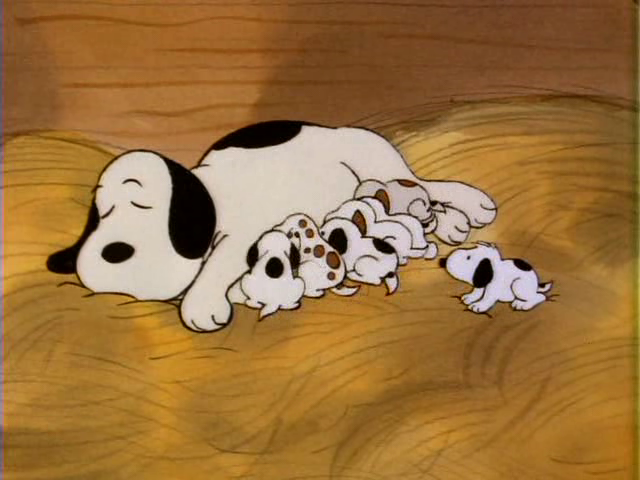
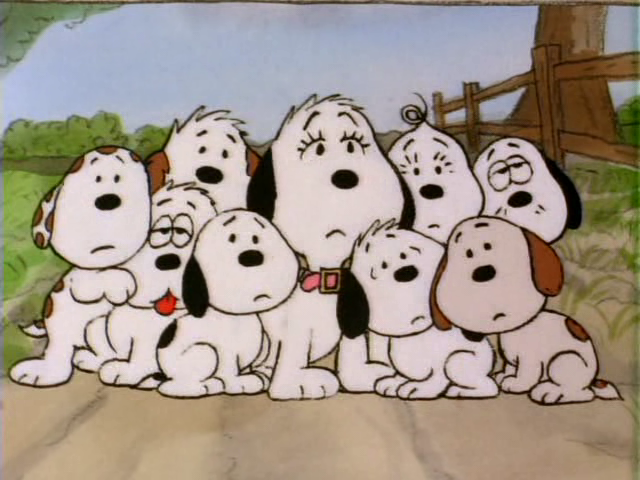
It's springtime at the Daisy Hill Puppy Farm, where a beagle named Missy has recently birthed eight pups:  wispy and whiskery Spike; shaggy Andy; rotund Olaf; spotty Marbles; future superstar Snoopy; doe-eyed Belle; and the relatively non-descript Molly and Rover.  We're treated to a montage of the doggies at play in the barn, slowly but enthusiastically developing both their bodies and personalities.  A luxurious buffet certainly helps their progress, and soon enough the octuplets are strong enough to break out some instruments and rustle up a down-home jam-bo-ree that reeks of cornbread and collard greens.  Just as each of them instinctively knew to belly up to mama's milk bar for nourishment, so too do they show no struggles with their respective instruments.


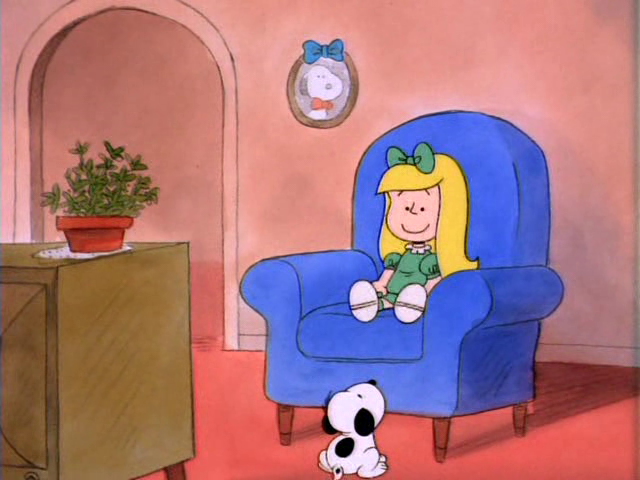
Eventually, the dogs are put up for sale.  Snoopy is sold first, to a sweet blonde girl named Lila.  In short order the rest of the pups are snatched up, headed for presumably happy homes, to be cared for by people who seems nonplussed at the sight and sound of animals playing bluegrass music.

Through another sweet and effective montage, we see Lila and Snoopy bond.  Seeing the beloved beagle as a baby, sans collar and urge to get down to the Mitty gritty, is not only novel but adorable.  It's unclear how long Snoopy has been with the family when the bad news comes crashing down--effective immediately, dogs are no longer permitted in the lavish apartment building.


My heart...how it shatters.

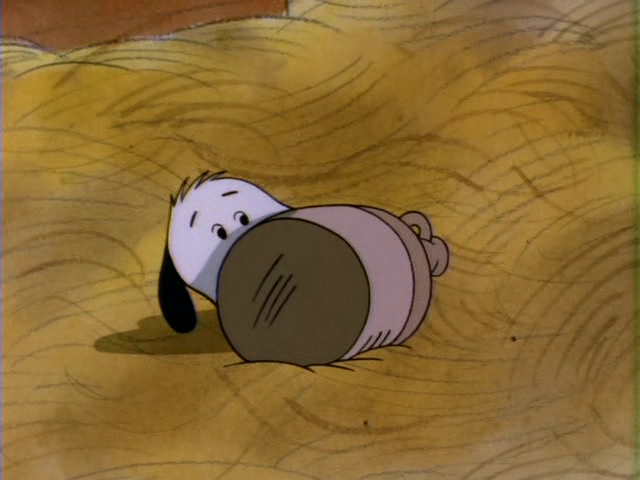
Lila is forced to return Snoopy to the Daisy Hill Puppy Farm, where his only company is Olaf's abandoned jug.

As one young girl's world is being torn into tenths, a round-headed young boy decides he needs some canine company.  Upon spotting a newspaper ad, Charlie Brown hails Linus, and the two hop a bus for the Puppy Farm (I'm sure Mr. and Mrs. Brown would've been thrilled to drive their son there, had they not been too busy not existing.)  After dumping five bucks out of his piggy bank onto the cluttered desk of the grandfatherly farmer, Chuck goes to retrieve his new four-legged best friend.  Meanwhile, his old two-legged best friend snoops around and finds a ledger showing that the baby beagle had been previously owned.  Or, as he indelicately tells his pal when they arrive back home, "You got a used dog, Charlie Brown."


Does it look like he cares, Linus?!  A used Snoopy is so obviously better than a brand new anything else!

Fast-forward four years, and Snoopy is so homesick that Sally suggests a family reunion to reinvigorate his spirit.  Together, dog and boy pen and send invitations to Snoopy's siblings.  They arrive, simultaneously, and with instruments in paws.  Things are fantastic wonderful terrific until they arrive back at the site of what used to be the Daisy Hill Puppy Farm.  Expecting to see the old barn, the old house, the fences, the dirt paths, they instead gaze upon a parking garage.  Acres of farmland, paved over in the name of progress.  Despite this disheartening development, the band tunes up and jams out a new(ish) song, with sections for the individual players to shine without soaking up all the sun. 

The ache in his heart now a distant memory, Snoopy flies his fam to their respective homesteads in record time--in mint condition, at that.  (That screen capture is pure, unadulterated Snoopy, wouldn't you agree?) 

Snoopy's Reunion is an enormously touching watch.  I laughed, I cried, I wondered how Lila didn't grow up to be a one-armed stripper with a fierce coke addiction after the trauma of losing the world's greatest pet.  And I have to thank the idiotas at CBS for thumbing down Charles Schulz's idea of a series based around Snoopy and his siblings, which led to the creation of this special.  Meanwhile they couldn't greenlight Garfield Gets a Life fast enough. 

This gets a 10.  Without reservation.  If it was the last Peanuts special I ever saw, I would die happy.

MUSIC:  More Judy Munsen musical coleslaw.  What would have been a score of 6 goes up two whole points, however, thanks to the presence of the Puppy Band and their upbeat country stylings.

ANIMATION:  The techniques have changed with the new decade, to be sure, but elements of the past decade remain.  The colors don't pop out at the eye, and the lines aren't delineated with an expert crispness, but both the characters and the world they inhabit refuse to blend together.  8.5

VOICES:  I give Josh Keaton and Kaitlyn Walker each a score of 7.5 for their performances as Linus and Sally, respectively; Phil Shafran does a good job (8) as Charlie Brown, coming off well-worn without being quite ready for dishrag status just yet.  The real vocal star is Megan Parlen as Lila, who earns a 9.   As a relative "intruder" in the Peanuts universe, it's no mean feat to make her lovable.  Listen as she says goodbye to Snoopy, both at her apartment and for the final time at the Puppy Farm.  I just want to hug the TV, or the computer, or whatever it is.  Snoopy most likely would not have turned out to be such a fantastical beagle under Lila's care, but he most certainly would have been very content.

(While I don't start twitching at the presence of adults in the Peanuts specials--some people do, you know--I rarely find the actors voicing them special enough to grade.)

THOSE WERE THE DAYS, CHARLIE BROWN

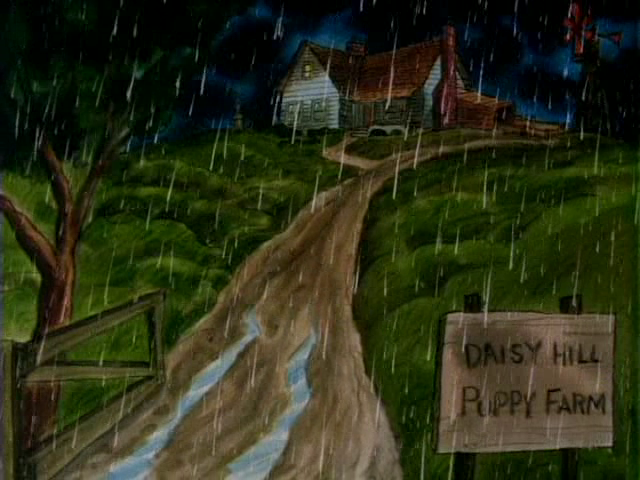
--It was a dark and stormy night, y'all.

--The only Peanuts TV special to date that does not feature the name "Charlie Brown" in the title.

--Spike does have more than one type of hat; there's a red ball cap hanging up on a wall at his hollowed-out cacti.  I wonder if it's lucky.

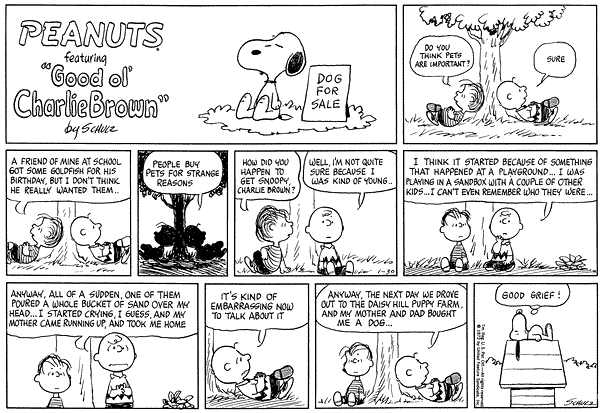
--Fire The Canon, Pt. 1:  In Snoopy's Reunion, a newspaper ad inspires Charlie Brown to get a dog.  In the Peanuts strips, specifically the one dated 1/30/1972, Charlie Brown tells Linus that his parents took him to get a dog after some ornery bastard of a kid poured a bucket of granular goodness over Charlie's globular gourd while they were playing together in a sandbox.  Those who have seen the 1972 feature film Snoopy Come Home might recall that conversation.

--


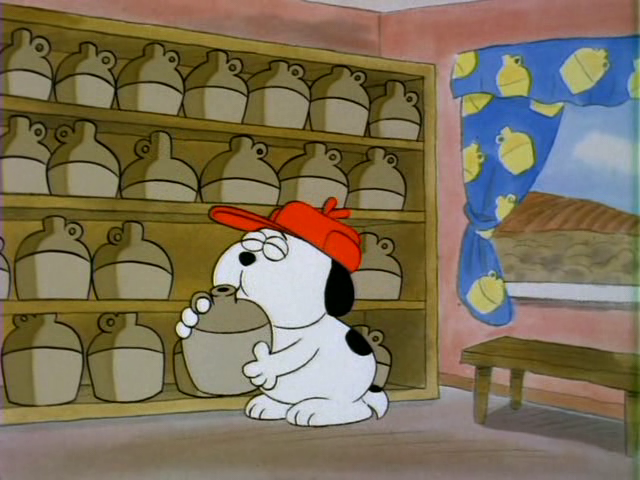
Once a jug-dog, always a jug-dog.

--


Snoopy has always appreciated sweet kisses from even sweeter ladies.

--Charlie Brown goes rummaging in the dirt around the parking garage--one of my favorite girlhood activities--and locates the time-beaten PUPPIES FOR SALE sign.  "They're parking on your memories!" he bleats.  Nice adaption

NO ONE NEEDS THAT MANY KIDS

--Oh no, there are adults in this show, you can see their faces, you can hear their voices, it's artistic abomination, it's a brazen theft of integrity, PFFFFTTT.

--


So...the reunion will be taking place somewhere in Alaska?  It's a trap! 

--The Daisy Hill Puppy Farm provided a buffet so Olaf wouldn't eat his siblings.

--Note that Olaf and Spike both live on their own.  Victims of relocation...or something more unfortunate?

--While Snoopy was more than happy fitting into the traditional role of a pet for Lila--playing fetch and what not--the very second he walks into the Brown residence he shows signs of independence.  (Why do they have a chair that small?)  I've always thought Snoopy's refusal to be the faithful, serene companion that his owner wanted was less a rebellion against Charlie Brown himself, and more a defense mechanism against any future abandonment.  This is Snoopy's second home in a very short period of time, remember, and he probably is scared of growing close to another owner.  His overly-civilized mannerisms, therefore, keep a nice tidy distance between him and the round-headed kid.  The adaptation of various personas, over time, assure that while Charlie Brown will always love his pet, he will never quite understand him...and that's fine with Snoopy. 
 
--Fire the Canon, Pt. 2:  While the Peanuts strips mentioned seven siblings for Snoopy, only five were named.  It could therefore be argued that Molly and Rover were mere placeholder names, but given that Charles Schulz wanted to write a TV series about these characters, it's more likely that this was a case of canon that never made it into the official universe.  Who knows, if the aforementioned series had indeed been produced, it may have spurred Schulz to feature all the siblings in forthcoming strips, where we may have seen Molly and Rover so named in print.

--Several years ago, the city demolished the hospital where I was born and where my father died.  The hotel where I was conceived (hey, my dad had relocated for his job, and he hadn't seen my mom in a couple weeks, okay?) was torn down some time ago as well.  The house I grew up in is slowly falling apart thanks to owner delinquency.  My siblings and I will never go jam in front of any of these places, I promise you.


Snoopy's Reunion gives me a warm feeling all over.  Despite many years apart, and the destruction of their old home, the dogs come together and make beautiful music.  With no words, Snoopy is jolted out of his melancholy.  All he needed was the knowledge that his family was still there for him.  This emotional currency is exchanged, of course, as no doubt Belle, Andy, and the rest have also yearned throughout the years. (Although honestly I'm not sure Olaf gets that down in the dumps about anything.  And even if he did how could you tell?)

The lesson of Snoopy's Reunion?  Just remember...it's a big world.  It can be frightening.  But love is always there.